



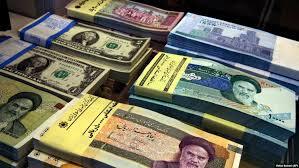
Iran’s economy has entered one of its most turbulent phases in decades as Iran’s currency collapsed, pushing the Iranian rial to a historic low against the US dollar. In informal markets, the rial’s value has deteriorated so sharply that one unit is effectively worth close to nothing in dollar terms, underscoring the depth of the country’s financial crisis.
The collapse of Iran’s national currency is not just a financial headline it is a daily reality affecting food prices, housing costs, savings, employment, and social stability. As inflation surges and purchasing power erodes, millions of Iranians are struggling to cope with the consequences of a weakening economy.
This article explains why Iran’s currency collapsed, what caused the rial’s dramatic fall, how it affects ordinary citizens, and what it means for Iran’s future economic outlook.
What Happened to Iran’s Currency?
The Iranian rial has been under pressure for years, but recent market activity marked a new and alarming milestone. As Iran’s currency collapsed, the rial crossed record thresholds against the US dollar in open markets, reflecting deep investor pessimism and economic stress.
Key Developments
-
The rial reached unprecedented lows in informal exchange markets
-
Inflation accelerated across essential goods
-
Public confidence in the national currency declined sharply
The rapid devaluation highlights structural weaknesses that have long plagued Iran’s economy.
Why Iran’s Currency Collapsed
Several interconnected factors explain why Iran’s currency collapsed so dramatically. These causes extend beyond short term shocks and reflect long standing economic vulnerabilities.
1. International Sanctions
Sanctions targeting Iran’s banking, energy, and trade sectors have restricted access to foreign currency and global markets. Reduced oil exports severely limit dollar inflows.
2. High Inflation
Runaway inflation continues to erode the rial’s value. Rising prices fuel currency depreciation, creating a vicious cycle.
3. Political Uncertainty
Domestic unrest, policy uncertainty, and strained foreign relations reduce investor confidence, increasing capital flight.
4. Declining Foreign Reserves
Iran’s ability to stabilize the currency is limited by shrinking foreign exchange reserves.
Historical Context of the Rial’s Decline
The rial’s weakness did not begin overnight. Long before Iran’s currency collapsed to current levels, the currency had faced repeated shocks.
Major Turning Points
-
Post revolution economic isolation
-
Intensified sanctions during nuclear disputes
-
US withdrawal from the nuclear deal
-
COVID-19 economic disruption
Each phase weakened confidence and accelerated depreciation.
Impact on Everyday Life in Iran
The collapse of the rial has far reaching social consequences. When Iran’s currency collapsed, it immediately affected household budgets and living standards.
Rising Cost of Living
-
Food prices surged
-
Fuel and transport costs increased
-
Rent and utilities became less affordable
Savings Erosion
Millions saw their life savings lose value almost overnight, increasing poverty and inequality.
Inflation Crisis and Purchasing Power
Inflation is both a cause and a consequence of currency collapse. As Iran’s currency collapsed, inflation accelerated, reducing purchasing power across all income groups.
Even middle class families now struggle to afford basic necessities, forcing lifestyle downgrades and increased debt.
Impact on Businesses and Employment
Small Businesses
Local businesses face rising import costs, shrinking margins, and reduced consumer spending.
Large Enterprises
Companies dependent on imported raw materials struggle with pricing volatility and supply disruptions.
Job Market
Unemployment risks increase as companies cut costs or shut down operations.
Role of the Central Bank of Iran
The Central Bank has attempted to stabilize markets through currency controls and official exchange rates. However, when Iran’s currency collapsed, these measures proved insufficient.
Challenges Faced
-
Limited foreign reserves
-
Dual exchange rate system distortions
-
Reduced public trust

Black Market and Currency Controls
A widening gap between official and market rates has fueled black market trading. As Iran’s currency collapsed, more people turned to informal channels to preserve value.
This further weakens state control over monetary policy.
Public Reaction and Social Unrest
Currency collapse often fuels unrest. Protests linked to rising prices and economic hardship have increased as living conditions worsen.
Economic instability has become a key driver of dissatisfaction among Iran’s population.
International Perspective on Iran’s Economic Crisis
Global economists view the rial’s fall as a symptom of deeper structural problems. When Iran’s currency collapsed, it raised concerns about regional economic spillovers.
Neighboring countries monitor the situation closely due to trade and migration implications.
Comparison With Other Currency Crises
Iran’s situation resembles past currency collapses in countries facing sanctions, political isolation, and inflation.
However, Iran’s prolonged isolation makes recovery more complex than in many historical cases.
Can Iran’s Currency Recover?
The question many ask is whether recovery is possible after Iran’s currency collapsed.
Possible Paths to Stabilization
-
Sanctions relief
-
Economic reforms
-
Improved diplomatic relations
-
Inflation control measures
Without structural change, long term recovery remains difficult.
Oil Exports and Foreign Currency Inflows
Oil revenue is crucial to Iran’s economy. Restrictions on exports directly reduce dollar supply, accelerating currency weakness.
Any improvement in oil sales could temporarily support the rial, but sustainability remains uncertain.
Effect on Imports and Food Security
As the rial weakens, imports become more expensive. This raises concerns about food security, medicine availability, and industrial inputs.
Lower-income households are hit the hardest.
Digital Currencies and Dollarization
Some Iranians turn to foreign currencies, gold, or cryptocurrencies to protect wealth as Iran’s currency collapsed.
This informal dollarization further undermines the rial’s role in the economy.
FAQs
Why did Iran’s currency collapse?
Iran’s currency collapsed due to sanctions, high inflation, political uncertainty, declining reserves, and reduced foreign investment.
What does the rial’s collapse mean for Iranians?
It means higher prices, lower purchasing power, loss of savings, and increased economic hardship.
Can the Iranian rial recover?
Recovery is possible but depends on sanctions relief, economic reforms, and improved political stability.
How does currency collapse affect inflation?
Currency collapse increases import costs, which drives inflation and reduces living standards.
Conclusion
The reality that Iran’s currency collapsed marks one of the most severe economic moments in the country’s modern history. The rial’s record-low value reflects years of structural strain, sanctions pressure, and declining confidence.
For ordinary Iranians, the crisis is not measured in exchange rates but in daily survival. Without meaningful reforms and international engagement, the economic pain is likely to persist.
The collapse of the rial is not just an economic indicator it is a warning sign of deeper challenges facing Iran’s future.