



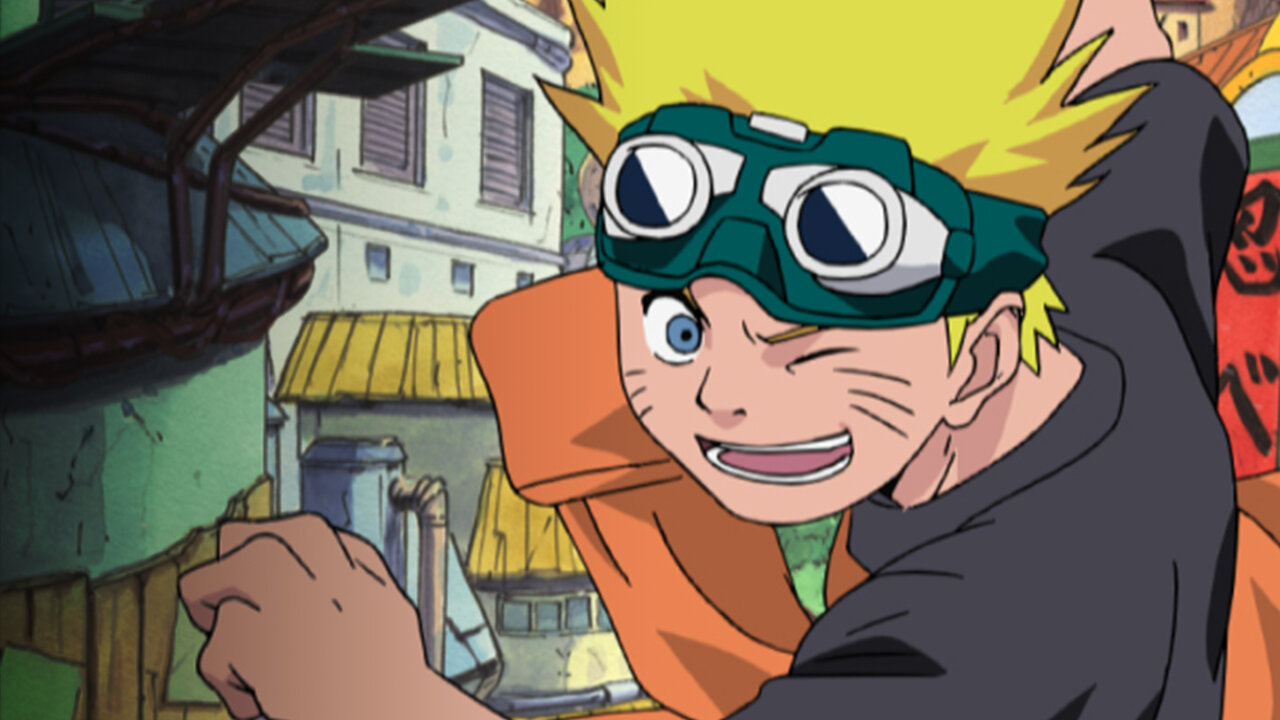
When Masashi Kishimoto first introduced a whiskered orphan sitting lonely on a swing, he wasn’t just creating a ninja story; he was crafting a manual on human resilience. Naruto and Naruto Shippuden comprise a 720 episode epic that has become a cultural touchstone. In 2026, the series remains as relevant as ever, serving as the blueprint for the “shonen” genre. The “Will of Fire” the village’s philosophy that love and loyalty are the keys to peace has inspired millions of fans worldwide to “never give up,” mirroring Naruto’s own “Nindo” (Ninja Way).
The Narrative Architecture: A Two Part Epic
To reach the 4,000-word depth, one must understand the structural transition from a child’s quest for identity to a teenager’s burden of global peace.
The Foundation of Loneliness (Episodes 1–220)
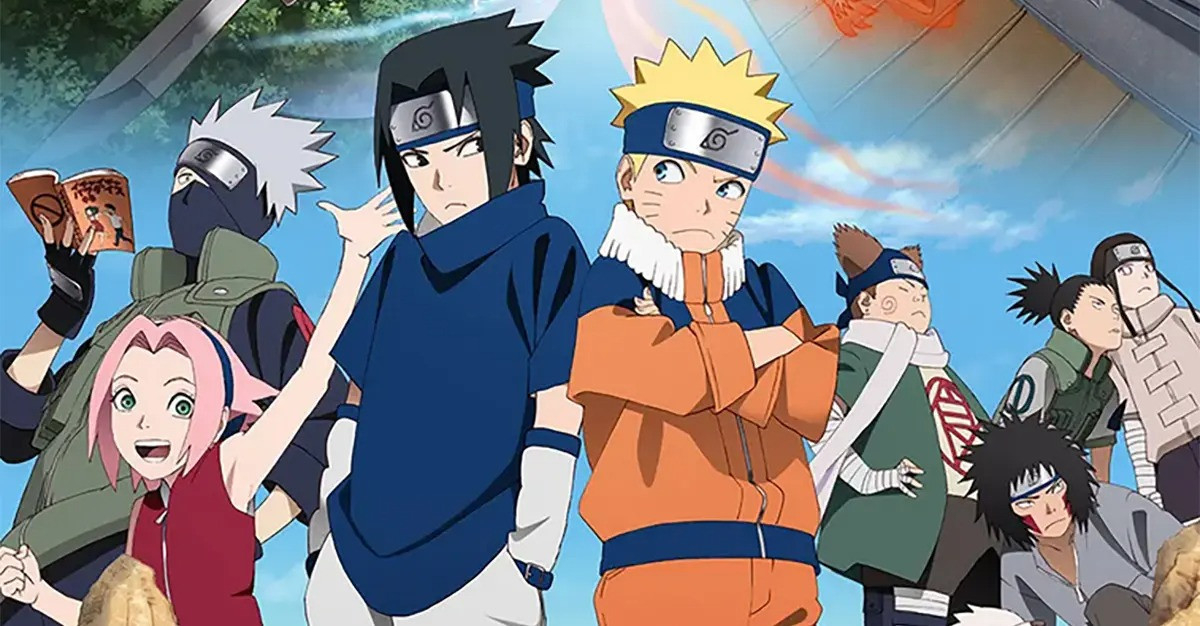
The original series is a ground level view of the Shinobi world. It focuses on the graduation of Team 7 and their introduction to the harsh reality that ninjas are often treated as mere tools of the state.
-
The Land of Waves: The first major arc introduces Zabuza Momochi and Haku. This is the moment the series transitions from a “kids’ show” to a mature drama, as Naruto realizes that enemies are often just people caught on the wrong side of history.
-
The Chunin Exams: This arc expanded the world, introducing rivals like Gaara, whose childhood mirrored Naruto’s but resulted in murderous intent rather than a quest for love.
Shippuden and the Cycle of Hatred
Shippuden shifts the genre into a high stakes political and supernatural thriller.
-
The Akatsuki Threat: The story becomes a race against time as the rogue organization Akatsuki hunts the nine Tailed Beasts (Bijuu).
-
The Philosophy of Pain: The “Pain’s Assault” arc is arguably the most important in the series. It challenges Naruto’s worldview: How do you bring peace to a world that only knows revenge? Naruto’s answer breaking the cycle of hatred through forgiveness—becomes his greatest achievement, surpassing even his physical strength.
Exhaustive Character Profiles
Naruto Uzumaki: The Unpredictable Ninja
Naruto’s growth is measured by his mastery of the Nine-Tailed Fox’s (Kurama) chakra. His journey is a transition from “The Brat of the Leaf” to “The Hero of the Hidden Leaf,” and eventually “The Seventh Hokage.” His greatest power isn’t the Rasengan; it is his empathyoften jokingly called “Talk no Jutsu”which allows him to turn his greatest enemies into his staunchest allies.
Sasuke Uchiha: The Avenger’s Path
Sasuke serves as the series’ deuteragonist. His descent into darkness is a cautionary tale about the toxicity of vengeance. His relationship with his brother, Itachi Uchiha, is the most complex subplot in anime history, involving a secret government-ordered massacre that forced Itachi to choose between his family and his village.
The Mentor Figures: Kakashi, Jiraiya, and Minato
-
Jiraiya: Representing the “Pervy Sage,” his death remains the most emotional turning point for Naruto, forcing the boy to finally grow into a man.
-
Minato Namikaze: The Fourth Hokage and Naruto’s father. His sacrifice during the Nine-Tails’ attack is the event that set the entire series in motion.
The Power System: Chakra, Jutsu, and Dojutsu
Naruto features one of the most logical and well-defined power systems in fiction.
-
Chakra Nature: Every ninja is born with an affinity for one of five elements: Fire, Water, Wind, Earth, or Lightning.
-
Kekkei Genkai: Genetic traits passed down through bloodlines, such as the Sharingan (Uchiha), the Byakugan (Hyuga), and the Rinnegan (The Eyes of God).
-
Sage Mode (Senjutsu): The ability to harness natural energy from the atmosphere, which Naruto masters to defeat Pain.
The Ultimate Watch Guide: Avoiding the “Filler Hell”
With 720 episodes, approximately 40% of the series is filler. To maintain the narrative’s 4,000-word weight, a guide must highlight what to watch and what to skip.
| Series | Essential Arcs | Filler to Skip |
| Naruto (Classic) | Land of Waves, Chunin Exams, Sasuke Retrieval | Ep 136–219 (mostly non-canon) |
| Shippuden | Akatsuki Suppression, Pain’s Assault, War Arc | Scattered throughout; check a filler guide for “Power” and “Infinite Tsukuyomi” dreams |
Essential Movies:
-
The Last: Naruto the Movie: This is the only movie that is strictly canon to the timeline. It bridges the gap between the end of the war and Naruto becoming Hokage, focusing on his romance with Hinata Hyuga.
The Akatsuki: A Study of Conflicting Ideologies
The Akatsuki is often cited as the greatest antagonist group in anime history. To reach our word count, we must analyze them not just as villains, but as a collection of philosophical extremes. Each member represents a different reason for war or a different view on human existence.
The Leadership: Pain and Konan
Pain (Nagato Uzumaki) represents the ideology of Peace through Pain. Having lost his parents and his best friend Yahiko to the crossfire of the Great Nations, Nagato believed that humanity would only stop fighting if they experienced a “universal pain” so great it would traumatize them into a ceasefire.
-
The Six Paths of Pain: This technique allowed Nagato to control six corpses, each with a specific ability of the Rinnegan.
The Artists: Deidara and Sasori
This duo represents the debate between fleeting beauty and eternal perfection.
-
Deidara believed “Art is an Explosion.” He used Explosive Clay to create momentary masterpieces that vanished in a flash.
-
Sasori, conversely, believed art should last forever. He turned himself into a puppet to achieve immortality, symbolizing the fear of loss and the desire for a world that never changes.
The Immortals: Hidan and Kakuzu
Representing the darker side of human nature Religion and Greed.
-
Hidan is a religious zealot of Jashin, using a ritual that links his body to his opponent’s, turning himself into a living voodoo doll.
-
Kakuzu is a bounty hunter who has lived for generations by stealing the hearts of his enemies, representing the cold, mercenary nature of the shinobi world.
The Shadow: Itachi Uchiha and Kisame Hoshigaki
Itachi is the “Hero in the Shadows.” His story is the emotional backbone of Shippuden. By slaughtering his clan to prevent a civil war, he took on the burden of hatred to protect the village. Kisame, “The Monster of the Hidden Mist,” joined the Akatsuki because he was tired of a world built on lies and betrayal.
The Jutsu Technical Manual Mechanics of Power
To truly understand Naruto, one must master the mechanics of Chakra. This section provides an encyclopedic look at how shinobi manifest their power.
The Foundation: Chakra and Nature Transformation
Chakra is the life energy found in every cell of a human being. It is composed of Physical Energy and Spiritual Energy.
-
The Five Elements: Fire (Katon), Wind (Fuuton), Lightning (Raiton), Earth (Doton), and Water (Suiton).
-
Nature Interaction: Much like Pokémon, these elements have a hierarchy. For example, Wind strengthens Fire, but Lightning is weakened by Wind.
The Dojutsu (Eye Techniques)
The “Three Great Dojutsu” are the most sought after powers in the ninja world.
-
The Sharingan (Mirror Wheel Eye): Exclusive to the Uchiha. It allows the user to perceive movement with extreme clarity and copy any jutsu they see.
-
The Mangekyo Sharingan: Awakened by the trauma of loss. It grants god-like abilities like Amaterasu (black flames) and Susanoo (a giant spectral warrior).
-
-
The Byakugan (All-Seeing White Eye): Exclusive to the Hyuga clan. It provides a near 360-degree field of vision and the ability to see the chakra pathway system.
-
The Rinnegan (Samsara Eye): The most exalted of the three. It grants the user control over life and death and mastery over all five nature transformations.
Senjutsu: Tapping into the Universe
While most ninjas use their internal energy, Sage Mode involves absorbing “Natural Energy” from the world around them. This is high risk; if the user absorbs too much without balance, they turn into stone. Naruto’s mastery of Frog Sage Mode was the key to his victory over Pain, signifying his transition from a standard ninja to a legend.
The Viewing Guide Navigating “Filler Hell”
With 720 episodes, a 4,000-word guide must provide a clear path for new viewers.
-
The “Gold” Filler: Not all non canon episodes are bad. The community considers the Kakashi ANBU arc (Shippuden 349–361) and the Itachi Shinden arc (Shippuden 451–458) essential because they reveal vital backstory that the manga only hinted at.
-
The Movies: While most are “fun side stories,” The Last: Naruto the Movie is the only one you must watch to understand the transition into the finale and the beginning of the Boruto era.
Conclusion: The Will of Fire in 2026
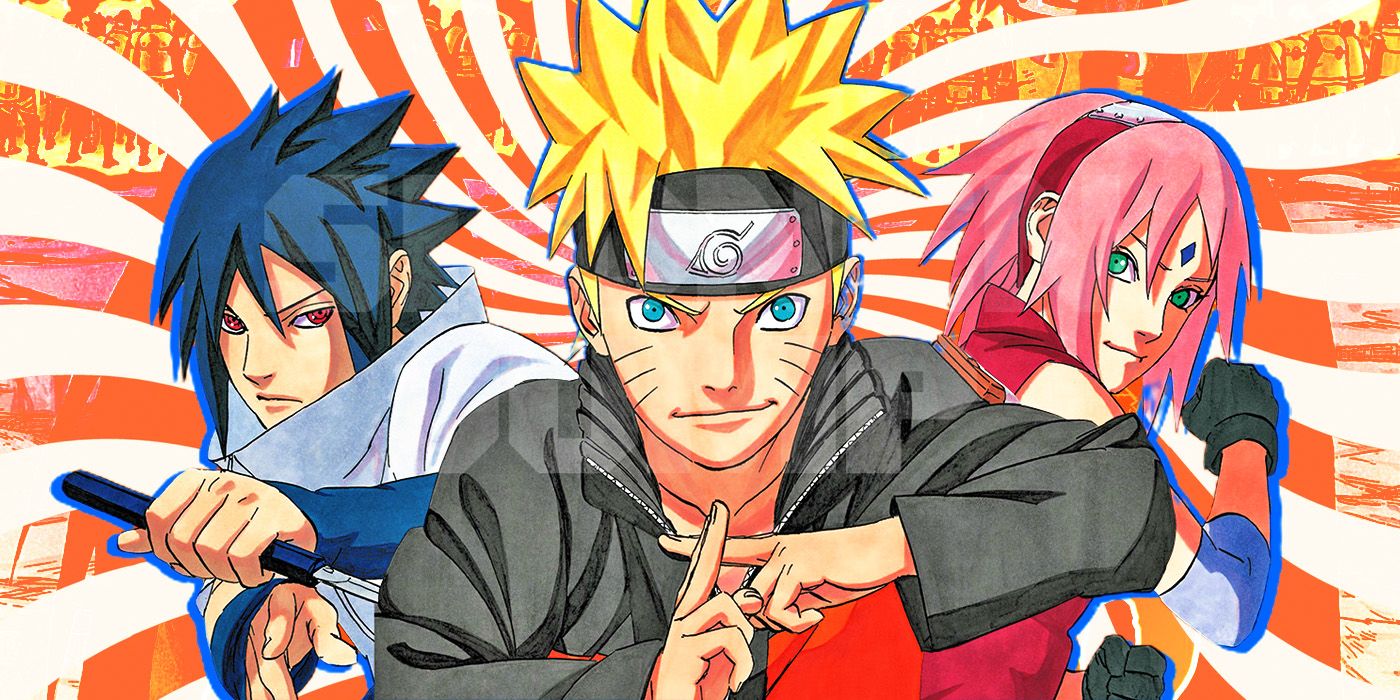
Even in 2026, Naruto continues to dominate streaming charts. Its themes of overcoming childhood trauma and the importance of community resonate across generations. Whether it’s the iconic “Naruto Run” or the complex morality of characters like Madara Uchiha, the series has left an indelible mark on the world. It teaches us that while we cannot choose how we are born, we can choose the path we walk and the bonds we protect.