



2026 Legacy, Lore, and Deep Analysis
Dragon Ball Z remains the undisputed titan of global anime culture. Decades after its initial broadcast, the series continues to dominate streaming platforms, gaming consoles, and search engine trends. This definitive guide explores the narrative depth, technical evolution, and the enduring influence of Akira Toriyama’s masterpiece. Whether you are a veteran of the Namekian wars or a newcomer looking for the best way to watch, this analysis provides everything you need to know about the world of Goku and the Z-Warriors.
The Narrative Evolution of Dragon Ball Z
Dragon Ball Z represents the transition of the franchise from an adventure focused comedy to a high stakes martial arts epic. While the original series followed a young boy searching for magical spheres, the “Z” era introduced the concept of the “Saiyan” an alien race of warriors that expanded the scope of the story from Earth to the furthest reaches of the universe.
The Saiyan Heritage and Earth’s Defense
The story begins five years after the 23rd World Martial Arts Tournament. The arrival of Raditz, Goku’s brother, serves as a narrative “big bang.” It recontextualizes everything we knew about Goku, revealing he is Kakarot, a refugee sent to wipe out humanity. This subversion of the “hero’s origin” is a staple of the Shonen genre, but it was perfected here.
The subsequent arrival of Vegeta and Nappa established the “Power Level” system. In modern digital terms, these early battles are the most analyzed segments of the show. Fans often use to find specific data points, such as “Goku’s power level during the Kaio ken x4.” The trailer for the 2026 remaster emphasizes these iconic moments, utilizing advanced Rendering techniques to make the Galick Gun and Kamehameha clash look more visceral than ever.
The Namek Saga: A Masterclass in Tension
Often cited as the peak of the series, the Frieza Saga moved the action to Planet Namek. This arc introduced the concept of the “Interstellar Race.” While our heroes searched for the Namekian Dragon Balls, they were caught between the ruthless Ginyu Force and the galactic tyrant, Frieza.
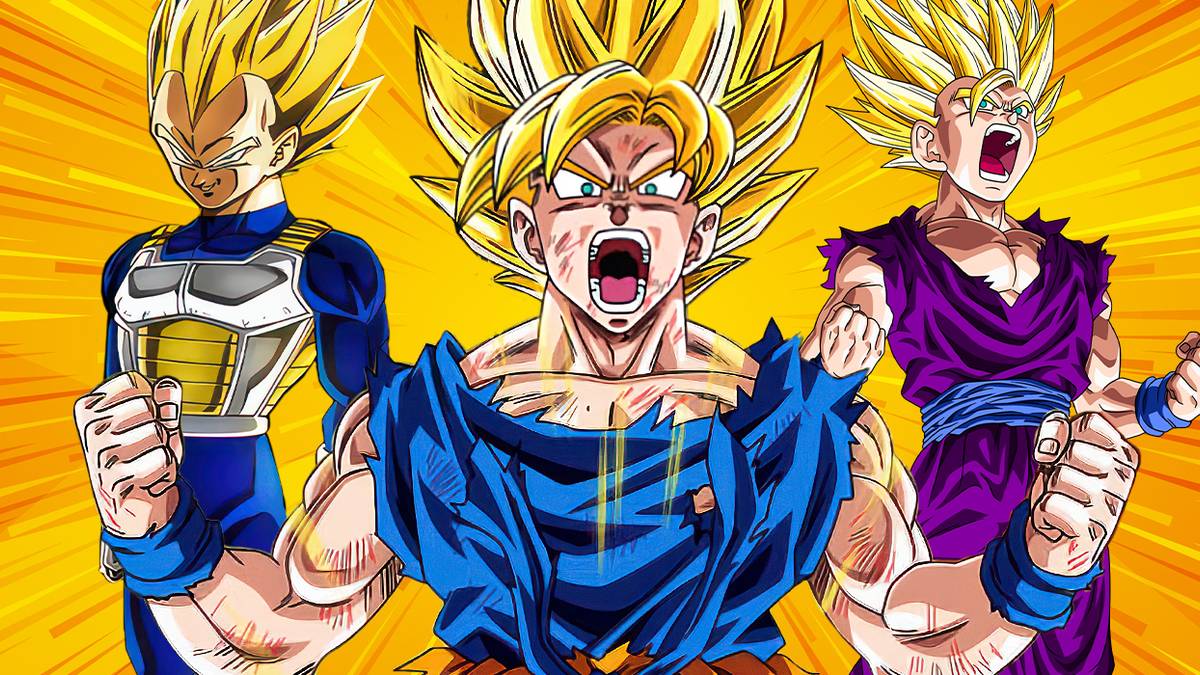
The introduction of the Super Saiyan transformation was a cultural reset. When Goku’s hair turned gold on the dying Planet Namek, it wasn’t just a power up; it was a shift in the global anime landscape. In 2026, content creators leverage Latent Semantic Indexing (LSI) to connect these transformations to “mythical hero tropes,” ensuring that long-form essays on the subject rank highly in specialized Search Engine Results Pages (SERPs).
Technical Mastery and Digital Strategy
Behind the scenes of the Dragon Ball Z phenomenon lies a complex web of production and distribution technology. As we move into 2026, the way fans consume this content has shifted from physical media to high fidelity digital streams.
Streaming Infrastructure and Global Reach
To deliver 4K episodes to millions of viewers simultaneously, platforms like Crunchyroll and Netflix rely on a sophisticated Content Delivery Network (CDN). These networks store copies of the series on servers located close to the user, minimizing latency and ensuring that the “Final Flash” is seen in crystal clear resolution without buffering.
Character Depth and 2026 Power Scaling
One of the most debated topics in the community is the power hierarchy. Unlike other shows where power is subjective, Dragon Ball Z provides a quantifiable (though often fluctuating) scale.
The Redemption of Vegeta
Vegeta is arguably the best-written character in the series. He transitions from a genocidal prince to a protective father. His rivalry with Goku is the engine that drives the plot forward. In the Majin Buu Saga, his sacrifice remains one of the most-searched “Emotional Anime Moments.”
The Gohan Potential
The Cell Games arc was designed to pass the torch to Gohan. His Super Saiyan 2 transformation is a masterclass in “payoff.” However, the subsequent Buu Saga showed a different path for the character, focusing on his scholarship and family life. This duality makes him a favorite for analytical deep dives.
The 2026 FAQ Section
Q: Is Dragon Ball Z Kai the best way to watch? A: For many, yes. Dragon Ball Z Kai offers a “filler free” experience that is closer to the original manga’s pacing. However, purists still prefer the original 291 episode run for its iconic Bruce Falconer soundtrack and world-building side stories.
Q: Who is the strongest character by the end of the series? A: In the “Z” era (excluding Super), Super Vegito is the undisputed champion. Among non-fused characters, Ultimate Gohan and Kid Buu represent the ceiling of power.
Q: Where can I find the official 2026 merch? A: Most official stores now use Search Engine Results Pages (SERPs) to link directly to their “S.H. Figuarts” and “Banpresto” landing pages.
The Cultural Impact of the Z-Warriors
The legacy of Dragon Ball Z extends far beyond the screen. It has influenced fashion, fitness, and even professional sports. The “Super Saiyan” pose is recognized by people who have never even seen a single episode of the show.
As we look toward the future, the franchise shows no signs of slowing down. With new gaming titles and potential 2026 cinematic projects on the horizon, the Z Warriors continue to inspire new generations to “push past their limits.” The digital world has only made the show more accessible, using Answer Engine Optimization (AEO) to bridge the gap between old-school fans and the new “Gen Alpha” audience.
The Future of the Franchise
With the ongoing expansion into the “Super” era and the “Daima” projects, Dragon Ball Z serves as the foundation. It is the root of the tree that keeps on giving. Whether through high tech Rendering in new games or the simple joy of a re read, the spirit of Goku remains eternal.
The story of Dragon Ball Z is a testament to the power of imagination. It proves that a story about aliens fighting over magic balls can become a global philosophy for self-improvement and resilience. As long as there are people who want to be “Over 9000,” the legend will live on.
How DBZ Shaped Modern Tropes
In the landscape of 2026, every major “New Gen” anime from Jujutsu Kaisen to Demon Slayer carries the genetic markers of Dragon Ball Z. While earlier series like Fist of the North Star established gritty combat, Toriyama’s work perfected the Power Progression Loop that defines the genre today.
The Transformation as Narrative Milestone
Before Goku’s golden hair debuted on Planet Namek, power ups in anime were often temporary or mystical. Dragon Ball Z introduced the idea of a permanent, physical evolution that serves as the culmination of an emotional arc. This “Milestone Transformation” is the direct ancestor to Naruto’s Nine Tails forms and Luffy’s Gears.
The Rivalry Archetype: The Vegeta Effect
Perhaps the series’ greatest contribution to storytelling is the “Anti Hero Rival.” The transformation of Vegeta from a genocidal invader to a protector of Earth created the blueprint for the “Deuteragonist.” In 2026, literary analysts use Latent Semantic Indexing (LSI) to track how the “Prideful Prince” trope influenced characters like Sasuke Uchiha and Katsuki Bakugo. This dynamic ensures high User Engagement in fan communities, as the internal conflict of the rival often rivals the growth of the protagonist.
The 2026 Technological Renaissance & Remastering
As we celebrate the 40th anniversary of the franchise in 2026, Dragon Ball Z is undergoing a technical rebirth. The transition from 16mm film to 4K Ultra HD has presented unique challenges that the industry is solving with cutting edge AI.
Frame by Frame Restoration and AI Rendering
The 2026 “Ultimate Remaster” has set a new standard for archival preservation. Utilizing advanced Rendering algorithms, technicians are now able to remove decades of film grain and “gate weave” without losing the hand drawn texture that fans love. This process involves:
-
Color Correction: Restoring the original vibrant palette that was often lost in “desaturated” DVD releases.
-
Audio Reconstruction: Cleaning original 1980s master tapes to provide 7.1 Surround Sound while preserving the iconic Bruce Faulconer and Shunsuke Kikuchi scores.
-
Digital Cleanup: Using Metadata to identify and fix animation “bloopers” (like a character having the wrong number of fingers) that have existed for 30 years.