



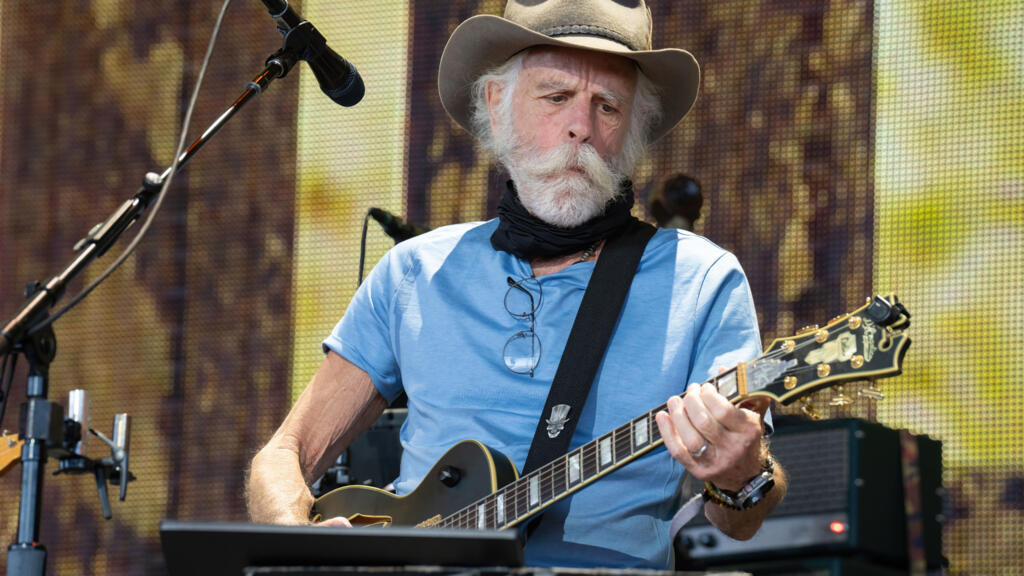
Bob Weir dies aged 78, marking the end of an era in rock music history. As a founding member, rhythm guitarist, and creative force behind the legendary band Grateful Dead, Bob Weir helped shape the sound of American rock, folk, blues, and psychedelic music for more than six decades. His passing has sent waves of grief across the global music community, uniting fans, fellow musicians, and cultural historians in remembrance of an artist whose influence extended far beyond the stage.
Who Was Bob Weir?
Bob Weir was an American musician, singer, songwriter, and activist, best known as the co-founder and rhythm guitarist of the Grateful Dead. Born in San Francisco, California, Weir became one of the most recognizable figures in counterculture music. His innovative guitar style, philosophical lyrics, and dedication to live improvisation made him a cornerstone of the band’s identity.
While Jerry Garcia often received widespread recognition as the band’s lead guitarist, Bob Weir played an equally vital role. His rhythmic experimentation and harmonic complexity defined the Grateful Dead’s signature sound and set new standards for live rock performances.
Early Life and Musical Beginnings
Bob Weir was born on October 16, 1947. Adopted at a young age, he grew up in a supportive household that encouraged creativity. Music became an early passion, though Weir initially struggled academically. His affinity for guitar and songwriting soon became evident.
As a teenager in the San Francisco Bay Area, Weir immersed himself in the emerging folk and blues scenes. His chance meeting with Jerry Garcia in 1963 proved life-changing. The two musicians bonded over shared musical interests, laying the groundwork for what would become the Grateful Dead.
Formation of the Grateful Dead
The Grateful Dead formed in 1965 during a time of cultural revolution in the United States. Originally called The Warlocks, the band soon adopted the name Grateful Dead. Bob Weir, as the youngest member, brought youthful energy and creative curiosity to the group.
The band became closely associated with the 1960s counterculture movement, performing at iconic events and becoming pioneers of psychedelic rock. Bob Weir’s contributions went beyond guitar work—he co-wrote many songs and played a key role in shaping the band’s evolving musical direction.
Bob Weir’s Unique Guitar Style
He was never a conventional rhythm guitarist. Instead of simply maintaining chord progressions, he used syncopation, unusual chord voicings, and jazz-influenced rhythms to complement Jerry Garcia’s lead guitar.
Music critics often described Weir’s playing as architectural, filling spaces rather than dominating them. This approach allowed the Grateful Dead’s improvisational jams to flourish, making each live performance a unique experience.
Iconic Songs Written by Bob Weir
Bob Weir co-wrote or performed lead vocals on several iconic Grateful Dead songs, including:
- Truckin’
- Sugar Magnolia
- Playing in the Band
- Cassidy
- Estimated Prophet
These songs became staples of the band’s live sets and remain beloved by fans worldwide. Bob Weir’s lyrics often explored themes of freedom, spirituality, and the American experience.
The Grateful Dead’s Cultural Impact
The Grateful Dead were more than a band; they were a cultural phenomenon. Their devoted fanbase, known as Deadheads, followed the group from city to city, creating a traveling community centered on music and shared values.
Bob Weir embraced this relationship with fans, viewing live concerts as communal experiences rather than performances. This philosophy helped redefine the live music industry and influenced generations of touring artists.
Life Beyond the Grateful Dead
After the death of Jerry Garcia in 1995, the Grateful Dead disbanded, but Bob Weir continued to perform and innovate. He formed several successful projects, including RatDog, Furthur, and Dead & Company.
Dead & Company, featuring younger musicians, introduced Grateful Dead music to new generations. Bob Weir’s willingness to collaborate across age groups demonstrated his commitment to musical evolution and legacy preservation.
Bob Weir as a Solo Artist
In addition to his band projects, Bob Weir released solo albums that showcased his songwriting depth and musical versatility. His solo work blended rock, folk, jazz, and blues influences, reinforcing his reputation as a fearless creative artist.
These projects allowed Weir to explore more personal themes while maintaining the improvisational spirit that defined his career.
Activism and Environmental Advocacy
Bob Weir was also known for his activism, particularly in environmental causes. He supported sustainable practices in touring and advocated for climate awareness long before it became mainstream in the music industry.
His work with organizations focused on conservation reflected his belief that artists have a responsibility to give back to the planet and society.
Reaction to Bob Weir’s Death
When news broke that Bob Weir dies aged 78, tributes poured in from across the world. Fellow musicians, celebrities, and fans shared memories, performances, and personal stories celebrating his life.
Social media platforms were flooded with messages honoring Weir’s influence and kindness. Many credited him with shaping their musical tastes and life philosophies.
Legacy of Bob Weir
Bob Weir’s legacy is immeasurable. He helped pioneer jam band culture, influenced countless guitarists, and proved that music could be a lifelong journey of exploration.
His work with the Grateful Dead reshaped how bands interact with audiences, how concerts are experienced, and how music communities are formed.
Influence on Modern Music
Modern artists across rock, indie, and alternative genres cite Bob Weir and the Grateful Dead as major influences. The jam band scene, music festivals, and extended live improvisations all owe a debt to Weir’s creative vision.
His fearless experimentation encouraged musicians to break traditional song structures and embrace spontaneity.
Bob Weir and the Global Fanbase
Although rooted in American culture, Bob Weir’s music reached audiences worldwide. Grateful Dead concerts attracted international fans, and their recordings continue to find new listeners across continents.
This global reach underscores the universal appeal of Weir’s musical philosophy.
Frequently Asked Questions
How did Bob Weir die?
At the time of reporting, official details regarding Bob Weir’s cause of death have not been fully disclosed.
How old was Bob Weir when he died?
Bob Weir died aged 78.
What was Bob Weir best known for?
He was best known as the co-founder and rhythm guitarist of the Grateful Dead.
Is the Grateful Dead still active?
The original band disbanded, but former members and collaborators continue to perform the music through various projects.
Conclusion
Bob Weir dies aged 78, leaving behind a musical legacy that transcends generations. As a founding member of the Grateful Dead, he reshaped rock music, live performance culture, and fan engagement. His innovative guitar work, thoughtful songwriting, and commitment to community and environmental causes ensure that his influence will endure.
Though Bob Weir may no longer walk the stage, his music continues to play on—echoing through the hearts of fans and the history of rock music forever.