



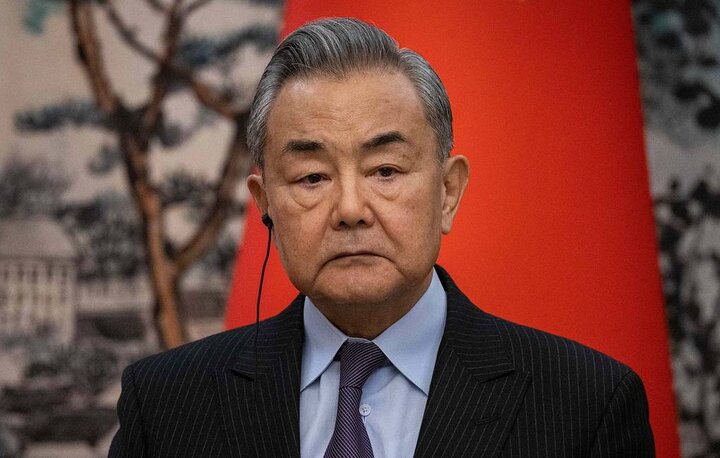
China rejects US world police behavior following the reported capture of Venezuela’s president by U.S. authorities, marking a sharp escalation in global diplomatic tensions. Beijing warned that no country has the right to act as judge, jury, and enforcer in international affairs, stressing that unilateral actions threaten global stability and undermine international law.
The statement reflects growing resistance to U.S. dominance in global governance and highlights an increasingly divided international order. As reactions pour in from across the world, the incident has reignited debates over sovereignty, legality, and the future of international relations.
China Rejects US World Police Role in Strong Diplomatic Rebuke
China rejects US world police actions in one of its strongest statements in recent years. Speaking at a press briefing, a spokesperson for China’s Ministry of Foreign Affairs said that the United States had overstepped its authority and violated basic principles of international conduct.
Beijing emphasized that global order must rely on multilateral cooperation rather than unilateral enforcement. According to Chinese officials, allowing one nation to police the world risks turning international law into a tool of political power instead of justice.
China urged the United States to respect national sovereignty and return to diplomatic channels instead of coercive measures.
US Capture of Venezuela’s President Sparks Global Shockwaves
The U.S. announcement regarding the capture of Venezuela’s sitting president sent shockwaves through diplomatic circles. While Washington framed the move as a lawful action tied to accountability and justice, critics immediately questioned its legality under international law.
China rejects US world police narratives that justify such actions, arguing that even controversial leaders remain protected by sovereignty unless addressed through international institutions.
This development has placed Venezuela back at the center of global power struggles and revived long-standing divisions over interventionism.
Sovereignty and Non-Interference at the Core of China’s Position
China rejects US world police logic largely because it contradicts Beijing’s long-held foreign policy principles. Sovereignty and non interference remain central to China’s diplomatic doctrine.
Chinese officials stressed that leadership disputes, legal accountability, or political change must emerge from internal processes or internationally recognized legal mechanisms—not from unilateral foreign intervention.
According to Beijing, ignoring these principles weakens global trust and opens the door to arbitrary use of power.
International Law Under Scrutiny
The controversy has placed international law under intense scrutiny. Legal experts note that the capture of a sitting head of state raises serious questions about jurisdiction, extradition, and diplomatic immunity.
China rejects US world police behavior by arguing that such actions bypass established legal frameworks like the United Nations and international courts. Beijing warned that setting such precedents could encourage other powerful nations to act without restraint.
If global norms erode, analysts warn, international relations could descend into a system driven by power rather than rules.

Rising US China Tensions in a Multipolar World
This incident adds another layer to already strained U.S. China relations. Trade disputes, technology bans, military rivalries, and ideological differences have pushed both powers toward confrontation rather than cooperation.
China rejects US world police ambitions as part of its broader effort to promote a multipolar world order. Beijing increasingly positions itself as a counterbalance to U.S. dominance, particularly among developing nations wary of Western intervention.
Experts say the dispute reflects a deeper struggle over who defines legitimacy and authority in global governance.
Venezuela’s Strategic Importance in Global Politics
Venezuela’s political crisis has long attracted international attention due to its vast energy resources, economic collapse, and strategic alliances. China has maintained economic and diplomatic ties with Caracas, emphasizing respect for sovereignty.
China rejects US world police interference in Venezuela, arguing that external pressure has worsened the country’s instability. Beijing believes long term solutions require dialogue, economic recovery, and regional cooperation rather than force.
This stance aligns China with other nations that oppose foreign intervention in domestic political disputes.
Global Reactions Reveal Deep Divisions
Reactions from the international community have been sharply divided. Some U.S. allies expressed cautious support, framing the move as a step toward accountability. Others voiced concern about the broader implications for international norms.
China rejects US world police behavior alongside several countries in the Global South, which fear that similar actions could one day target them. These nations argue that selective enforcement undermines equality between states.
The split highlights a growing divide between interventionist and sovereignty-focused approaches to global governance.
Impact on International Institutions
The incident has renewed criticism of international institutions, particularly the United Nations. Critics argue that unilateral actions weaken multilateral systems designed to handle global disputes.
China rejects US world police tactics partly because they sideline international bodies. Beijing called for reforms that strengthen collective decision-making and reduce reliance on individual state power.
Without reform, analysts warn, institutions risk losing credibility and relevance.
Economic and Market Implications
Beyond diplomacy, the crisis carries economic consequences. Heightened geopolitical tension often triggers volatility in energy markets, currencies, and global trade.
China rejects US world police actions partly because instability disrupts global supply chains and economic growth. Investors closely monitor U.S. China relations, as prolonged confrontation could impact markets worldwide.
Energy prices, in particular, remain sensitive due to Venezuela’s oil reserves and its role in global energy dynamics.
Media Narratives and Information Warfare
The story has also sparked intense media battles. Different countries frame the event through sharply contrasting narratives, shaping public opinion and diplomatic responses.
China rejects US world police framing in global media, accusing Western outlets of legitimizing unilateral actions. Beijing has promoted alternative narratives emphasizing sovereignty and rule-based order.
Information warfare now plays a critical role in shaping how global audiences interpret the crisis.
What This Means for Smaller Nations
For smaller and developing countries, the implications are significant. Many fear that if powerful states can act unilaterally, weaker nations could face similar interventions.
China rejects US world police dominance partly to appeal to these concerns. Beijing positions itself as a defender of state equality, a message that resonates strongly across Asia, Africa, and Latin America.
This alignment could reshape alliances and influence global voting patterns in international forums.
Expert Analysis: A Turning Point in Global Order?
Political analysts describe the incident as a potential turning point. The post-Cold War era, dominated by U.S. leadership, now faces increasing resistance from emerging powers.
China rejects US world police authority as part of a broader redefinition of global order. Experts believe future conflicts will center less on ideology and more on governance models and power distribution.
Whether cooperation or confrontation prevails remains uncertain.
Diplomatic Paths Forward
Despite strong rhetoric, diplomacy remains possible. Analysts suggest back channel talks and multilateral engagement could ease tensions.
China rejects US world police behavior but continues to call for dialogue. Beijing has urged all parties to avoid escalation and respect international mechanisms.
Successful diplomacy could prevent the crisis from triggering wider geopolitical fallout.
Conclusion
China rejects US world police actions in a dispute that goes beyond Venezuela. The controversy touches on sovereignty, international law, power balance, and the future of global leadership.
As nations navigate an increasingly multipolar world, this episode highlights the urgent need for clear rules, mutual respect, and cooperative solutions.
Whether global powers can adapt to shared leadership or remain locked in confrontation will shape international relations for decades to come. Frequently Asked Questions
Why does China reject the US acting as the world’s police?
China believes unilateral enforcement undermines sovereignty, international law, and global stability. Beijing argues that no single country should police the world.
What happened between the US and Venezuela?
The United States announced the capture of Venezuela’s sitting president, triggering international debate over legality and sovereignty.
How does this affect US China relations?
The incident adds strain to already tense relations, reinforcing disagreements over global leadership and intervention.
Is the capture legal under international law?
Legal experts remain divided. Critics argue it bypasses international institutions and raises jurisdictional concerns.
Why is Venezuela important geopolitically?
Venezuela holds vast oil reserves and plays a strategic role in regional and global energy markets.
How are other countries reacting?
Reactions are mixed. Some support the US move, while others, including China, condemn it as unlawful.
What does this mean for global order?
The dispute highlights the shift toward a multipolar world and growing resistance to unilateral power.