




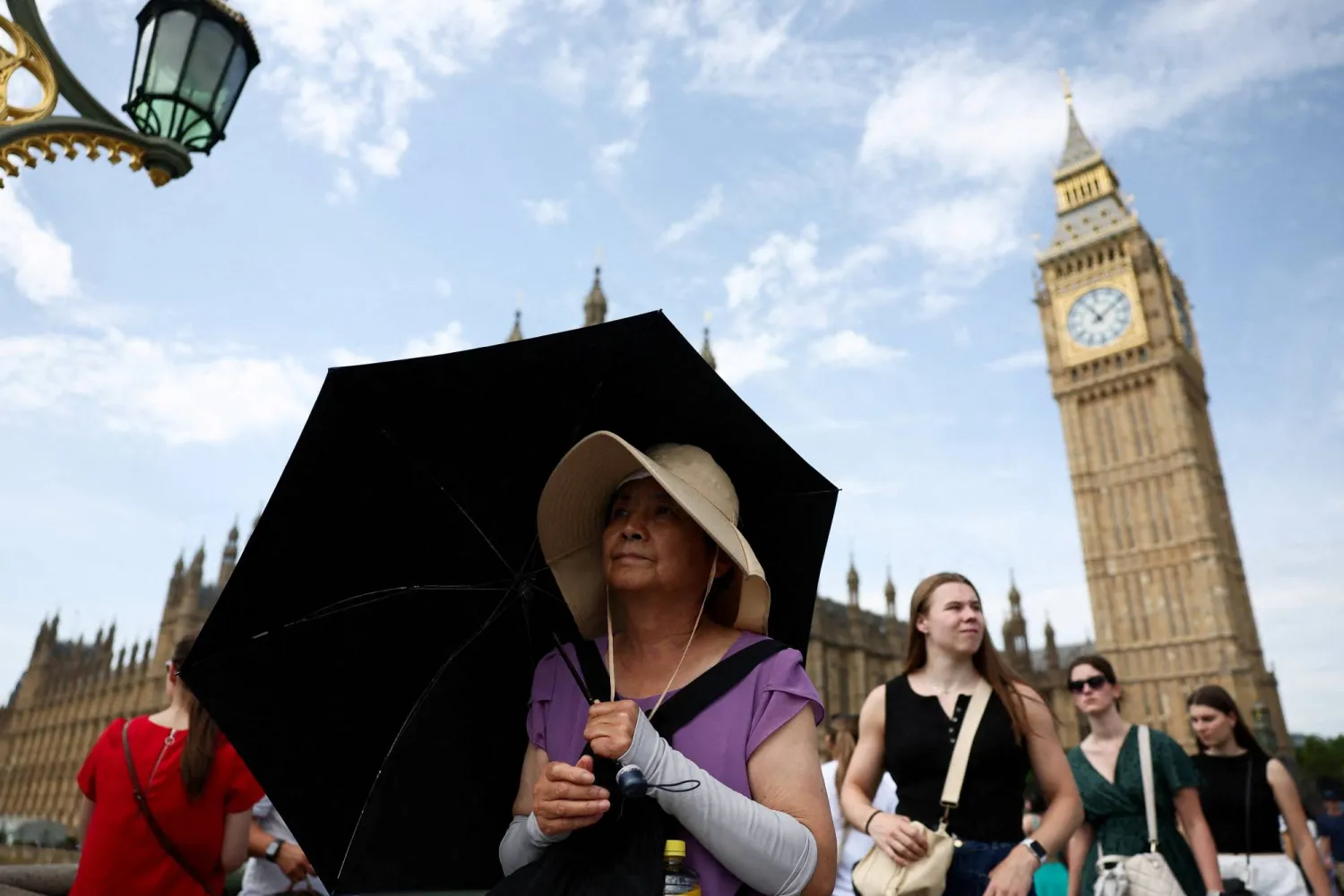
The UK Climate Record 2025 has officially entered history as the hottest and sunniest year ever recorded in the United Kingdom, according to national climate monitoring agencies. Unprecedented heatwaves, extended sunshine hours, and record-breaking temperatures reshaped daily life across England, Scotland, Wales, and Northern Ireland throughout the year.
From agricultural disruption and water shortages to surging energy demand and public health warnings, the climate extremes of 2025 marked a turning point in how the UK experiences and prepares for climate change. Scientists, policymakers, and environmental experts now warn that these conditions may become the norm rather than the exception.
This article provides a comprehensive breakdown of why 2025 became the UK’s hottest and sunniest year, what the data shows, how different regions were affected, and what it means for the country’s future climate, economy, and public safety.
UK Climate Record 2025: What the Data Shows
Meteorological data confirms that 2025 surpassed all previous UK climate benchmarks.
Key Climate Records in 2025
-
Highest annual average temperature ever recorded
-
Longest cumulative sunshine duration
-
Increased frequency of heatwaves
-
Fewer cold days than historical averages
Climate scientists attribute these records to a combination of global climate change, atmospheric circulation patterns, and persistent high-pressure systems over Western Europe.
Why 2025 Was the Hottest Year in UK History
Global Climate Change as the Primary Driver
Rising global temperatures remain the dominant factor behind the UK’s climate extremes. Greenhouse gas concentrations continue to trap heat in the atmosphere, increasing baseline temperatures worldwide.
Persistent Heat Domes
During 2025, the UK experienced multiple heat domes, where high-pressure systems trapped hot air for prolonged periods, preventing cooling winds and rainfall.
Reduced Cloud Cover
Lower cloud formation led to:
-
More direct sunlight
-
Higher daytime temperatures
-
Warmer nights
This combination resulted in the sunniest year on record.
Regional Impact Across the United Kingdom
England: Extreme Heat and Drought Conditions
England faced the most intense effects of the UK Climate Record 2025.
-
London recorded multiple days above 35°C
-
Reservoir levels dropped significantly
-
Hosepipe bans introduced in several regions
Urban heat islands amplified discomfort, especially in densely populated cities.
Scotland: Warmer Summers, Altered Ecosystems
Scotland experienced:
-
Unusually warm summers
-
Reduced snowfall in mountainous regions
-
Changes in wildlife migration patterns
While temperatures remained lower than England’s, the shift was significant compared to historical norms.
Wales: Agricultural Strain
Welsh farmers reported:
-
Crop stress due to heat
-
Reduced grass growth for livestock
-
Increased irrigation costs
Northern Ireland: Water Management Challenges
Northern Ireland faced:
-
Lower rainfall totals
-
Water supply concerns
-
Rising temperatures impacting fisheries

Sunshine Records: A Defining Feature of 2025
2025 did not just break heat records—it shattered sunshine records.
Effects of Increased Sunshine
-
Boost in solar energy production
-
Higher UV exposure risks
-
Increased tourism in coastal areas
-
Stress on crops and ecosystems
While sunshine benefited renewable energy output, it also intensified drought conditions.
Heatwaves and Public Health Impact
Health Risks During Extreme Heat
The prolonged heat in 2025 raised serious public health concerns:
-
Heat exhaustion and heatstroke
-
Increased hospital admissions
-
Higher mortality among elderly populations
The UK Health Security Agency issued multiple heat health alerts throughout the year.
Economic Impact of the UK Climate Record 2025
Energy Sector
-
Increased electricity demand for cooling
-
Record solar power generation
-
Strain on energy infrastructure
Agriculture and Food Supply
-
Reduced crop yields
-
Increased food prices
-
Higher reliance on imports
Insurance and Infrastructure
-
Rising insurance claims due to drought damage
-
Infrastructure stress from heat expansion
-
Increased maintenance costs
Environmental Consequences
Ecosystem Disruption
Extreme heat altered:
-
River temperatures affecting fish
-
Insect populations
-
Forest health and wildfire risk
Wildfire Risk in the UK
While wildfires are rare in the UK, 2025 saw:
-
Increased grassland fires
-
Moorland blazes
-
Emergency service strain
Climate Policy and Government Response
The UK government faced pressure to respond to the UK Climate Record 2025.
Key Policy Discussions
-
Accelerating net-zero targets
-
Expanding renewable energy infrastructure
-
Improving urban heat resilience
-
Water conservation reforms
Environmental groups called for faster action, warning that delayed responses could worsen future impacts.
How Climate Change Is Reshaping the UK’s Seasons
Traditional seasonal patterns are shifting:
-
Longer summers
-
Milder winters
-
Unpredictable rainfall
These changes affect agriculture, tourism, and biodiversity.
Comparison With Previous Climate Records
2025 surpassed notable past years such as:
-
2018 (previous heatwave year)
-
2022 (record summer temperatures)
Scientists emphasize that each new record builds on the last, confirming a long-term warming trend.
Frequently Asked Questions
Was 2025 officially the hottest year in the UK?
Yes, climate data confirms that 2025 was the hottest year ever recorded in the UK.
Why was 2025 also the sunniest year?
Persistent high-pressure systems reduced cloud cover, increasing sunshine hours.
Did climate change cause the UK heat records?
Climate change significantly increased the likelihood and intensity of extreme heat events.
Which UK region was most affected?
England experienced the most extreme temperatures, particularly in urban areas.
Will the UK see more years like 2025?
Climate experts warn that similar or worse conditions are likely without significant emissions reductions.
How the UK Is Adapting to a Hotter Climate
Adaptation strategies include:
-
Heat-resilient urban design
-
Expanded green spaces
-
Improved building insulation
-
Public heat safety campaigns
Local councils are beginning to integrate climate resilience into planning.
The Role of Renewable Energy in a Hotter UK
Solar power output reached record levels in 2025, highlighting the importance of renewables in a warming climate. However, energy grids must evolve to handle increased demand during heatwaves.
UK Climate Trends and the World
The UK’s experience mirrors global trends:
-
Europe’s warmest years on record
-
Rising global average temperatures
-
Increasing frequency of extreme weather
The UK Climate Record 2025 fits into a broader global climate pattern.
Public Awareness and Climate Perception
Public concern about climate change increased significantly in 2025, with polls showing growing support for stronger environmental policies following extreme weather experiences.
Long Term Outlook for the UK Climate
Climate models predict:
-
More frequent heatwaves
-
Increased drought risk
-
Greater pressure on water resources
Without intervention, the UK’s climate will continue to warm throughout the 21st century.
Conclusion
The UK Climate Record 2025 stands as a defining moment in the country’s environmental history. As the hottest and sunniest year ever recorded, it exposed vulnerabilities across health systems, infrastructure, agriculture, and ecosystems.
While the record year delivered clear skies and solar gains, it also underscored the urgent need for climate adaptation and mitigation. As temperatures rise and weather patterns shift, the lessons of 2025 will shape how the UK prepares for a hotter, more unpredictable future.